
Read the Pulaski County Owner Line
Start with the Commissioner of Revenue's Digital Property Card. It is the county's tax-record anchor for a current owner search. The assessor supports lookups by owner name, address, parcel ID, and account number. The card's own label and field order do not always render as plain text online. One appeal form does confirm separate land, improvement, and total assessment values. Treat the table as a record-check list. It is not a promise that every label shows exactly as written on screen.
| Owner name | The county supports owner search; confirm the live card's exact owner label. |
|---|---|
| Physical location | The assessor supports address lookup; use the situs address for the parcel. |
| Mailing address | The appeal form distinguishes the notice address from the property street address. |
| Parcel and account keys | Both are supported search fields and help match the record across county systems. |
| Assessment components | Land, improvements, and total appear on the county appeal form. |
| Recorded conveyance | Confirm the latest deed with the Circuit Court Clerk; the live card's deed-reference field was not verified. |
The owner of record is the party named in the public property system. Someone else may occupy the land. A tax-mailing address can even sit off site. So a current owner check should never infer residency from a parcel record.
January 1 Sets Pulaski's Roll Owner
Pulaski County assessment follows a simple rule. The owner of record on January 1 is the owner for that tax year. A deed recorded in March still counts in the land records kept by the Circuit Clerk. But the tax roll keeps the January 1 name until the next cycle. Nothing is broken. The two property records simply serve different purposes on different calendars.
For a current owner check, pair the deed's recording date with the card date. The assessor card is quick for a name-and-parcel match. The deed remains the proof of conveyance. Estates, trusts, liens, and boundary fights call for the related court and land instruments too. The parcel file alone will not settle them.
Cards and Maps Refresh on Separate Schedules
The assessor updates Digital Property Record Card information monthly. Survey-map changes refresh weekly. These clocks describe different data. A parcel boundary edit might reach the map before a value or owner detail changes on the card. A recent deed can even be recorded. Both public views wait for their next refresh.
Keep notes on the access date and source of each item. The Clerk's recording date, the assessment year, and a map update answer separate questions. For who owns now, the newest recorded instrument is the strongest timing check.
Confirm a Current Pulaski County Transfer
Begin with the parcel card. Carry its owner line, parcel key, and legal-description wording into the Clerk's land-record index. Then search the latest deed for that grantee. Compare the grantor, grantee, recording date, document reference, and property description. If the description names a parent tract, lot, or easement, confirm the referenced plat or earlier instrument. Only then treat it as the same land.
- Search the Digital Property Card by address, owner, parcel ID, or account number.
- Write down the date, exact owner name, parcel/account keys, and situs description shown.
- Check the newest recorded deed through Virginia SRA or the Clerk's courthouse route.
- Match the grantee and legal description, then note if the card reflects an earlier January 1 roll date.
- If the party is an LLC, compare its public SCC entity record; use probate records for an estate transfer.
- Owner of record
- The party named in the tax or land record, as of that record's date.
- Assessment roll
- The county's tax valuation and owner record based on January 1 ownership.
- Situs
- The physical property location, which may differ from the owner's mailing address.
- Recording lag
- The time between a deed being recorded and a later card refresh.
For the official land-record entry, use the Virginia SRA system. The Pulaski subscriber agreement limits remote document-image access, so the Clerk's public counter is the practical fallback.
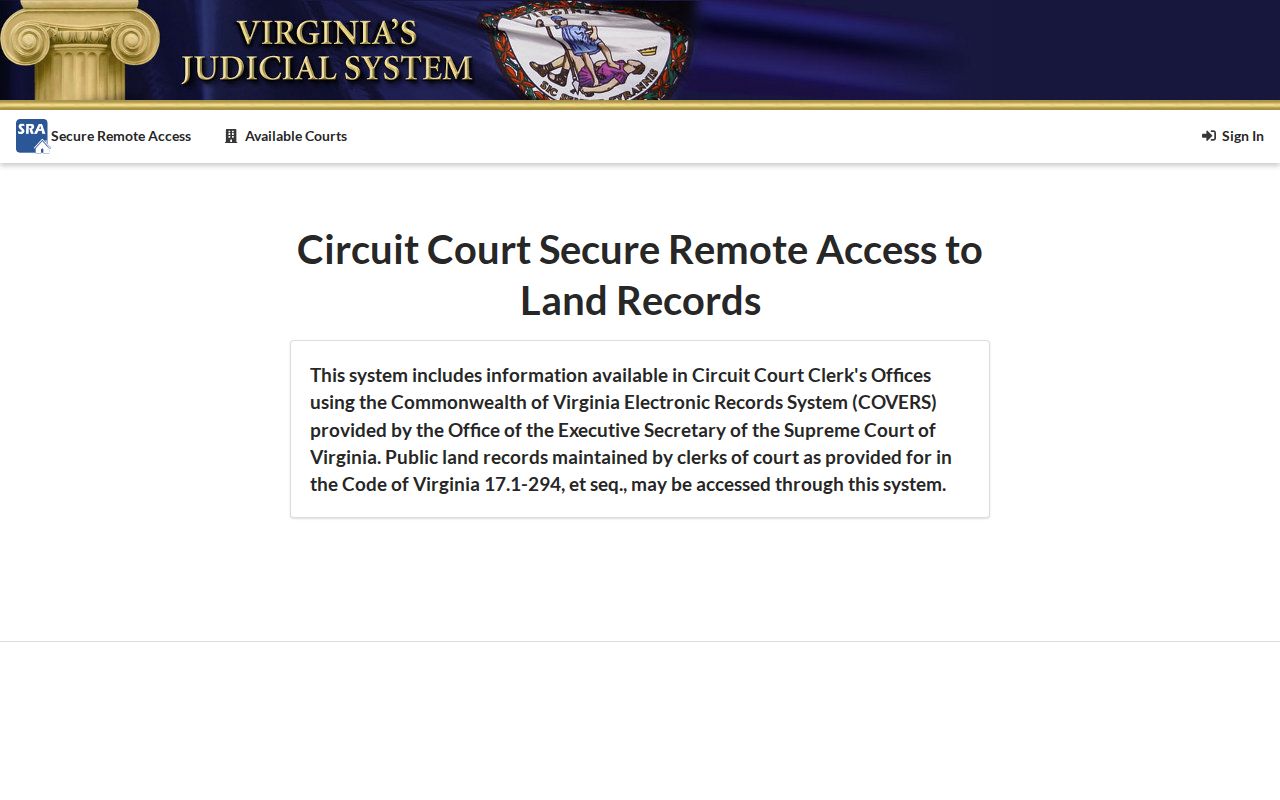
This image shows the SRA search landing screen. It is not a live Pulaski deed result or a guarantee of public image access.
Keep the Property and Notice Addresses Apart
The situs address tells where the parcel sits. The mailing address tells where the owner receives notices. Pulaski County assessment forms keep these fields separate. A tax notice can therefore reach an owner living elsewhere. A postal town name also cannot prove the parcel sits inside the town's corporate line.
For an owner request, provide the physical property address. Also give the account or parcel number if known. If the name or location is old, compare the legal description with the recorded plat. Ask the assessor to confirm the correct parcel. Never use a mailing address as proof of occupancy. Do not use one as a substitute for a deed search.
When the Pulaski Owner Is an Entity
An LLC, corporation, trust, or estate can appear in place of a person's name. For a company, Virginia SCC CIS returns the entity name, type, and address. It also lists formation date, status, and status date. These details help separate a current business filing from a similar name. Still, a registered-agent address does not establish who owns the real estate.
Read the land instrument for the grantee and the signer's capacity. If an estate transferred property, follow the will, fiduciary file, sale order, or executor deed. The Pulaski Circuit Court Clerk holds the associated wills and fiduciary records. The Library of Virginia lists older will books and index material. The SCC Clerk's Information System is the state route for checking a named business entity.
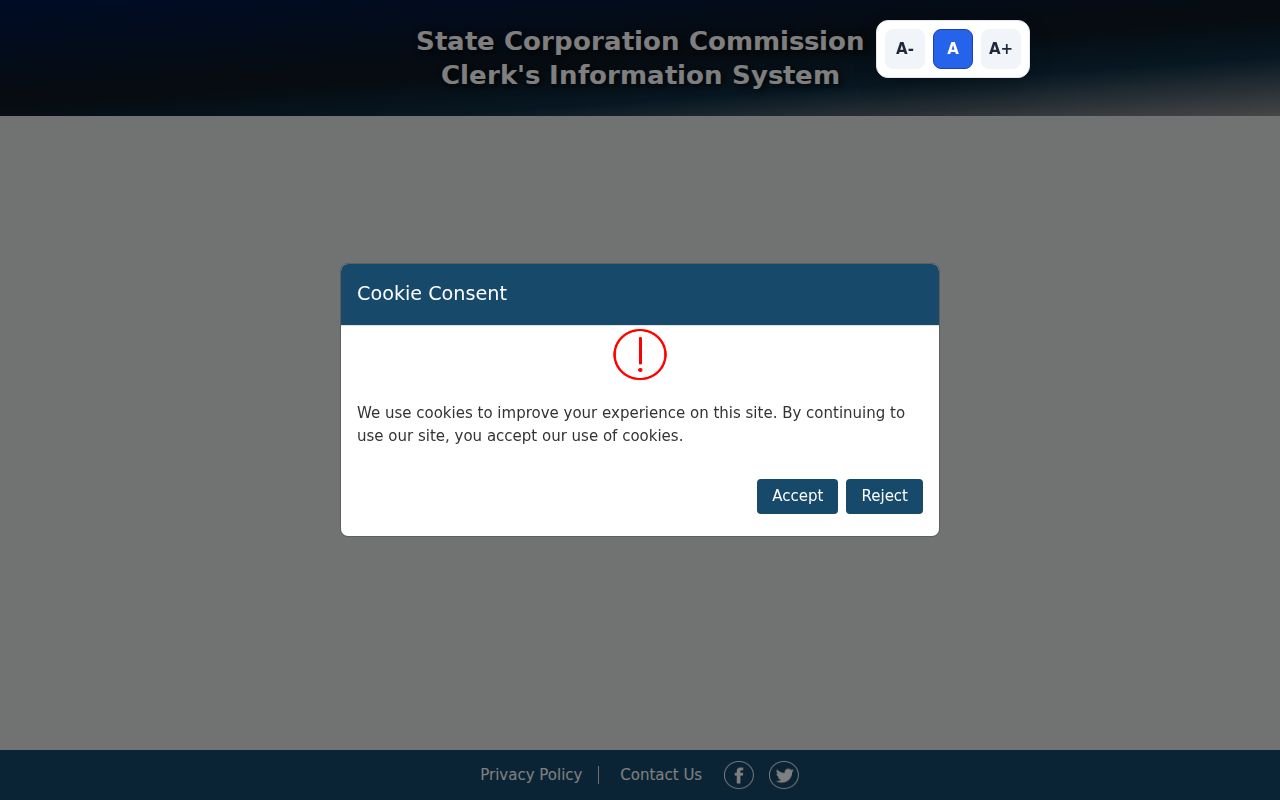
The business filing adds identity context. The deed remains the record that ties the entity to a parcel.
Ask About a Pulaski Assessment Error
Factual errors on a property card fall within the Assessor's power to fix. Think acreage, condition, square footage, bedroom count, or special features. The county draws a tighter line, though. Absent a property change or new information, corrections generally stop at contractor clerical mistakes. A higher bill will not stand as proof of a description error in Pulaski County property records. The size of the increase alone will not either.
To pursue a correction, file the county's real-estate appeal form with documents backing the claimed fact. Then meet the deadline on the assessment-change notice. The Assessor's Office sits at 52 West Main Street, Suite 200, and answers at 540-980-7753. Take bill questions to the Treasurer instead. The Treasurer handles the tax bill but cannot touch the assessment itself.
Confirm a Newly Recorded Transfer
A newly recorded transfer rarely reaches both county systems at once. The Clerk's index shows the recorded instrument right away. The assessor's card refreshes monthly and carries the January 1 owner for the assessment year. Compare the dated deed with the current card. Keep the recording date, deed book and page, parcel number, and situs address in one place. Ask the Assessor whether a newer card refresh has posted.
Names alone can mislead. A deed may convey a partial interest. It may cover several parcels. It may also cite an old tax-map key after a lot split. Read the legal description. If the card and deed seem to describe different land, ask the Clerk or Assessor which reference ties them together. An online owner label is not proof anyone lives there. A mailing address on a deed does not always belong to the owner of record.
Use Pulaski Owner Records Lawfully
A public owner line is not a resident directory. The owner of record may be an entity. It may be an estate, or a person whose mailing address sits elsewhere. Virginia's Address Confidentiality Program gives eligible participants a designated address. FOIA keeps identifying program information exempt in most circumstances. Nothing on a public card cancels those protections.
Put Pulaski County property records to legitimate use. That means a property matter, purchase diligence, a tax question, or another lawful civic purpose. Do not read someone's presence at a home from an owner line. If a direct threat or immediate safety issue arises, call local authorities. Do not work through a parcel lookup.
Lawful use. A Pulaski County owner record supports property research and due diligence. Using it to stalk, harass, threaten, or harm a person is prohibited.